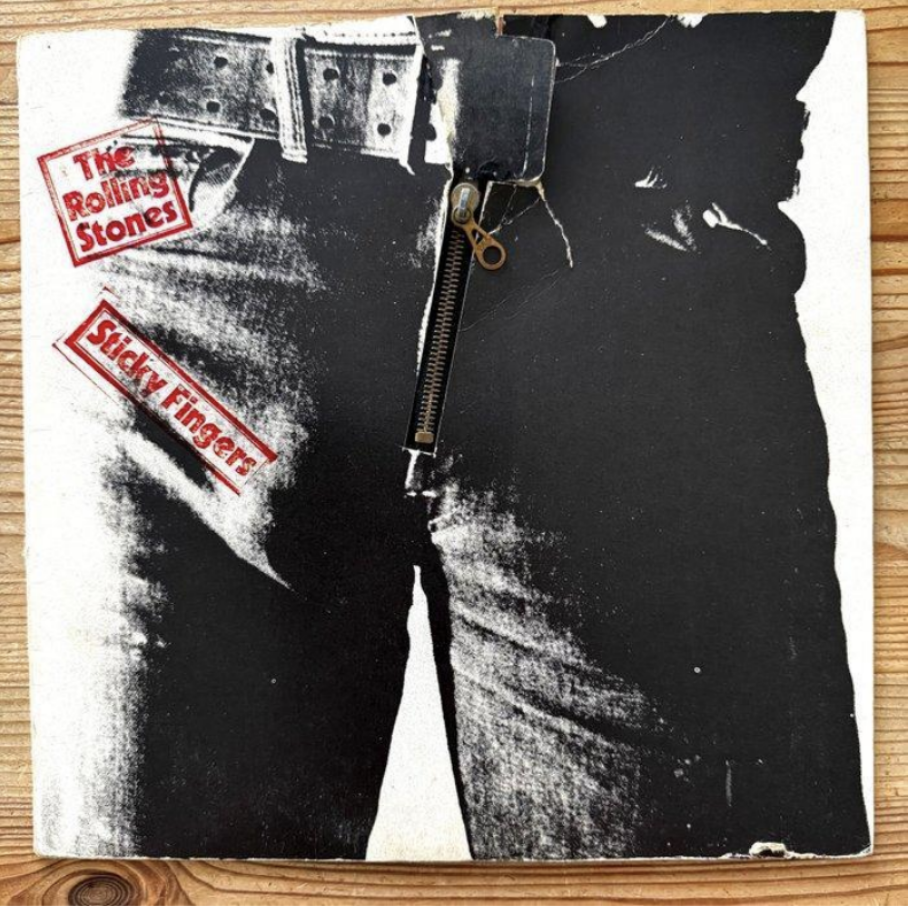
(Artwork by Andy Warhol, Billy Name, Craig Braun and collaborators, via The Museum of Modern Art, New York.)
In 1971, the Rolling Stones released an album that listeners could literally unzip. The cover
of Sticky Fingers, conceived by Andy Warhol, showed a close-up of denim jeans, complete
with a functioning metal zipper. It was provocative, playful and unmistakably rock ’n’ roll.
More importantly, it captured how far denim had come: a garment originally made for
labourers had become bold enough to front one of rock’s most famous records.
How did a pair of work trousers acquire so much attitude? The answer involves movie
rebels, electric guitars, ripped knees and musicians who were never particularly interested in
following dress codes.
From the Rolling Stones to the Ramones and Kurt Cobain, this is the story of how a pair of work trousers became rock’s ultimate symbol of rebellion – and eventually, a luxury fashion statement.
Before the Music: Dressing Like a Rebel
In 1873, Levi Strauss and tailor Jacob Davis patented riveted work trousers, reinforcing
points of strain so they could survive demanding jobs. Jeans were built to last, not to make a
statement. Their transformation into a youth symbol came much later, with a little help from
Hollywood.
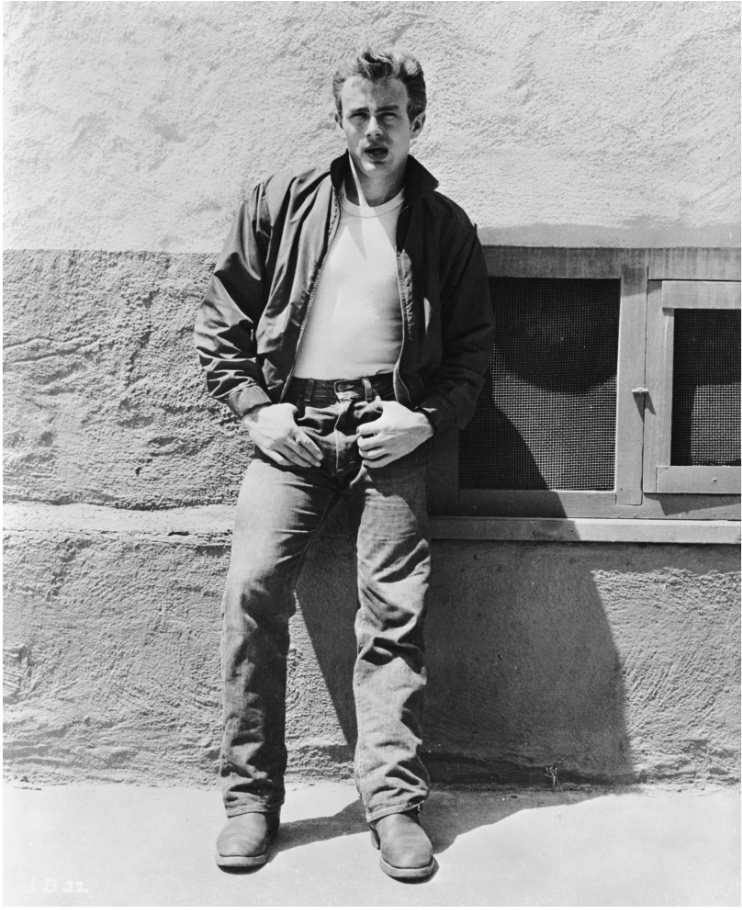
But denim’s journey from workwear to cultural icon was only just beginning. By the 1950s, a new generation was looking for ways to distinguish itself from its parents, and Hollywood was helping shape its image. Marlon Brando in The Wild One and James Dean in Rebel Without a Cause helped popularise the rebellious young man’s uniform: jeans, a plain T-shirt or leather jacket, and a studied disregard for authority.
Meanwhile, Elvis Presley was bringing that same rebellious energy to music. With his provocative performances, distinctive style and electrifying stage presence, he became a symbol of a generation increasingly willing to challenge convention. Together, these figures helped transform jeans from everyday clothing into a symbol of youth and individuality.
Suddenly, wearing jeans could say something about who you were, rather than what job you
did.
The Rolling Stones: Denim Gets Dangerous
By the 1960s, denim was becoming more than a teenage uniform. As rock music became closely intertwined with the counterculture, jeans increasingly became a symbol of those challenging mainstream conventions. Mick Jagger and Keith Richards embraced this changing aesthetic, mixing denim with leather, flamboyant shirts and an unmistakable sense of nonchalance. Meanwhile, jeans themselves were changing: flared, embroidered, patched and personalised until no two pairs looked quite alike.
Against this cultural backdrop, the Rolling Stones released Sticky Fingers in 1971. The Stones didn’t just wear denim; they put it centre stage. Warhol’s zipper cover was suggestive without needing a face, turning an everyday garment into a visual shorthand for rock’s sexuality and provocation. If workwear once suggested practicality, rock had taught it to suggest possibility.
But the next generation would take denim’s transformation in a very different direction.
From Punk to Grunge: The Beauty of Worn-Out Denim
By the mid-1970s, rock’s relationship with denim was getting rougher. The flares and
colourful customisation of the 1960s were giving way to tighter jeans, torn knees and the
unmistakable uniform of punk.
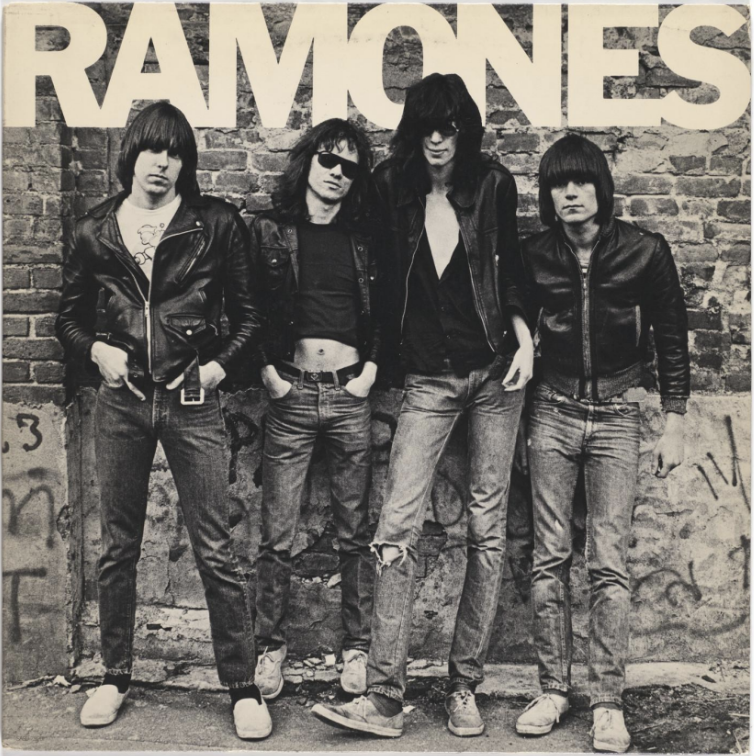
The Ramones helped establish one of rock’s most recognisable uniforms: leather jackets, T-shirts, sneakers and tight, often ripped jeans. Their association with Levi’s 505, a model introduced in 1967 and also linked to the Rolling Stones’ Sticky Fingers cover, connected two generations of rock through a single garment. Debbie Harry of Blondie embraced the
same style, helping make slim denim a staple of New York’s punk scene.
Punk turned rips, frayed hems and DIY alterations into deliberate fashion statements. Rather than replacing damaged clothing, musicians made its imperfections part of their identity.
Two decades later, Seattle’s grunge scene brought this worn-in aesthetic to another generation. Kurt Cobain’s faded jeans, oversized sweaters and thrift-store layers became synonymous with the effortless style of the 1990s. What punk had expressed through deliberate customization, grunge often achieved through secondhand clothing and everyday
wear.
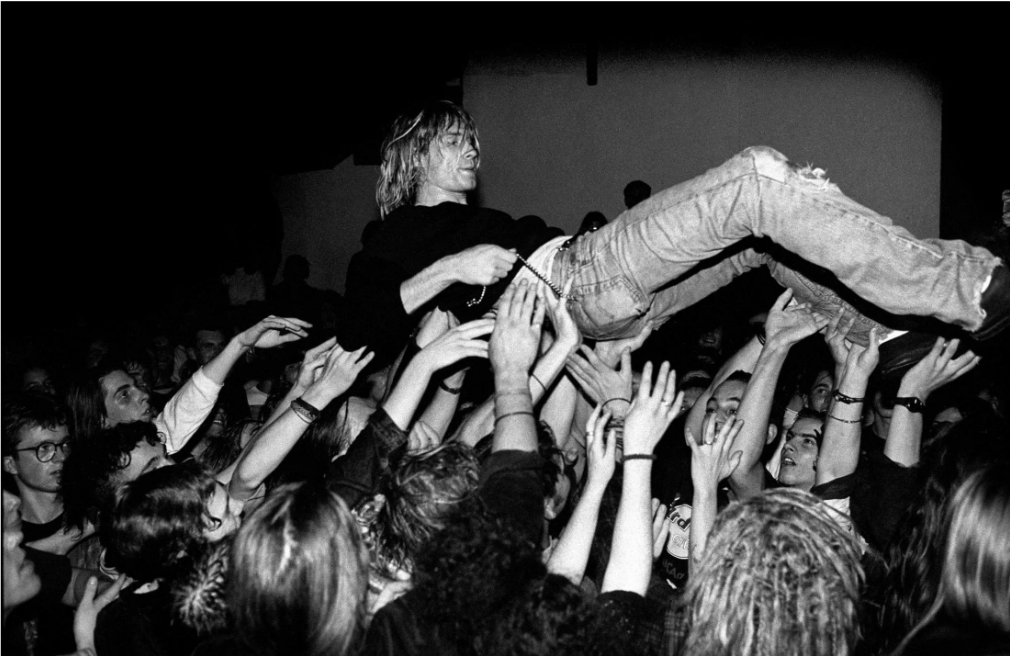
From the Ramones’ ripped Levi’s to Cobain’s thrift-store denim, the appeal of jeans
increasingly came from their character rather than their condition. What once might have
been considered a flaw had become part of their identity.
And naturally, the luxury fashion industry was paying attention.
Rock Goes Designer
In 1992, Marc Jacobs presented his now-iconic Spring 1993 grunge collection for Perry Ellis, translating Seattle’s thrift-store aesthetic into designer fashion. But not everyone appreciated the reinterpretation. When Jacobs sent pieces from the collection to Kurt Cobain and Courtney Love, Love later recalled that they burned them. It was a rather fitting reaction to seeing a thrift-store aesthetic repackaged as designer fashion.
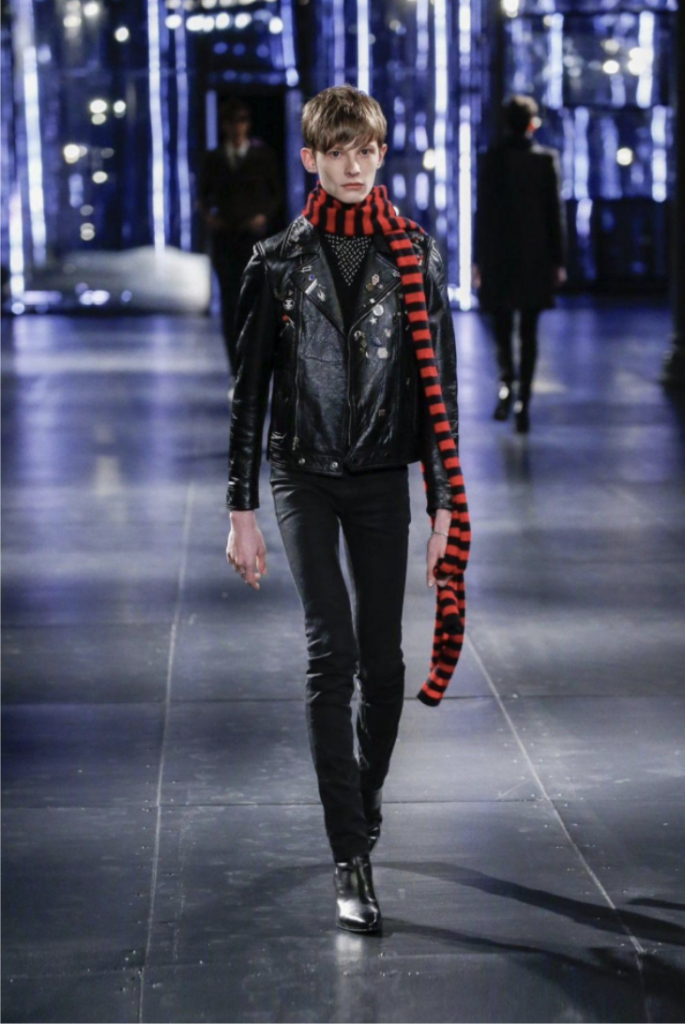
What began as a controversial experiment eventually became a recurring source of inspiration for luxury designers. Hedi Slimane’s rock-influenced work at Dior Homme, Saint Laurent and Celine helped turn the skinny jeans, leather jackets and slim silhouettes associated with rock musicians into a recognisable luxury aesthetic. His Autumn/Winter 2013 Saint Laurent collection revisited grunge through plaid and undone styling, while his Autumn/Winter 2015 menswear collection returned to the unmistakable combination of leather jackets and skinny jeans.
When Rebellion Comes With a Price Tag
There is something undeniably ironic about paying luxury prices for clothing inspired by musicians who often found their style in secondhand shops. But luxury fashion’s influence goes beyond simply commercialising these aesthetics. By bringing them into the mainstream, designers have made once-marginal styles accessible to a much wider audience, while potentially weakening the rebellious meaning they originally carried.
One can only wonder what Kurt Cobain would have thought of the price tags attached to the aesthetic he helped popularise, or of seeing a style rooted in counterculture become a luxury fashion statement.
Perhaps that’s the real paradox of rock’s influence on denim: what begins as a tribute to a subculture can also contribute to the mainstream acceptance that makes its original defiance less visible.
Luxury fashion may be able to recreate the ripped jeans, but can it recreate the meaning behind them?
Written by Niccolò La Rosa
edited by Louis Pringault