
Slicked-back buns, expensive matching sets, shades of grey or beige, and the no-makeup makeup look. Maybe we got so used to these signals of the ‘clean girl’ aesthetic that we forgot this trend just appeared on our screens one day and somehow, stayed with us longer than anyone could have predicted. But why and how did this happen? Why was the trend of looking almost conservative so impactful to Generation Z? And now, are we shifting to something messier, more chaotic? This shift is not just about sloppy dressing — it’s about a symbolic pushback against perfection, productivity mania, and a too-polished online presence.

There is a clear idea of what the clean girl looks like: minimalism, quiet luxury and athleisure-chic. Over the past few years, our industry has catered to this look in unavoidable ways. How? Well, this aesthetic thrived in a culture obsessed with wellness, productivity, and optimization. Even “natural” beauty became highly curated (and extremely expensive). We can argue that its rise was fueled by a post-pandemic craving for order after chaos, the influence of names like Hailey Bieber and Sofia Richie, and the algorithm’s appetite for uniformity. The clean girl wasn’t just a style, it was an aspiration to appear stable, and in control when everything else felt uncertain.
I never fully accepted the clean girl look as an “aesthetic,” but even then, I’m definitely guilty of taking part in some of the industry trends that came with it. Why was I spending that much money on matching Lululemon sets? Was it really because of the high quality? Why was I considering buying Uggs and planning my day hour by hour? The latter didn’t last long, and luckily, I was able to spot the overpriced, unnecessary trends in a sea of “have a productive morning with me” and “what I eat in a day” TikToks. Did I learn anything? Not really. Did it make me want to change my goals? Occasionally. Did it cost me money? Yes, unfortunately. What’s unravelling now is that this lifestyle is being seen more as a performative act than as actually living your life.


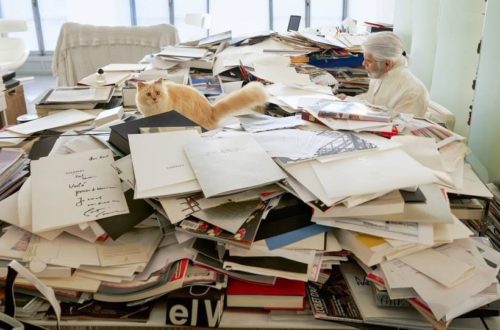
It’s simple to say that after the clean girl wave comes the messy girl. I believe it’s slightly deeper than a simple switch, or at least I hope so. The “messy girl” aesthetic might give an easy-to-spot counter look: unbrushed hair, smudgy eyeliner, and “I don’t care” outfits, but maybe it’s not about looking undone. Maybe it’s about being allowed to be undone. Why plan every detail or strive to look the same when fashion can simply reflect how you feel and express who you are? It can be emotional and honest, celebrating the imperfections we all have. It definitely borrows from the grunge of the 90s and the chaos that came with figures like Kate Moss. And yet, this time it’s not just nostalgia; it’s a reaction.
It is a rebellion we can all observe, respond to, or adapt alongside. For me, it’s the feed fatigue. Of course, we will see the same things over and over again, they work, they speak to people, and thus they become trends. But everything looking the same, and beyond perfect, while being sold as effortless, is what I find most frustrating. While engaging in trends, and I am aware of it, I’m also yearning for real inspiration in a world of political disillusionment and constant crisis, where perfection honestly feels tone-deaf.

The fashion industry has already picked up on these signals. A good example is the Dsquared2 FW2025 campaign. Its video shots look nothing like what we see on Instagram today: models partying like there’s no tomorrow, skin showing, bold makeup, and lots of glitter. On the runway, too, we’ve seen more playfulness, rumpled skirts, visible bra straps, and sheer everything. Of course, culture is messier: Charli XCX’s Brat era, Olivia Rodrigo’s heart-aching rockstar approach, and Julia Fox’s chaotic self-styling were all indicators of what was to come. Suddenly, looking a little rough around the edges feels more real than any slick-back bun ever did.
The clean girl didn’t just shape fashion; she quietly aligned with a conservative undercurrent — tidy, contained, pleasing, and efficient. The Trad Wife movement, with its retro domestic ideal, sprouted from the same soil. In contrast, the messy girl refuses to be palatable. She’s not “put together” for anyone’s comfort, but she’s expressive and unpredictable. In a world that historically and constantly asks women to soften, polish, and perform, messiness becomes almost political.


But that doesn’t mean we should all start wearing only black or buy more clothes under the excuse of a new aesthetic. What we should do instead is observe what is happening. Our generation is lost; we rely on societal trends too much to point us in the right direction. The messy girl can teach us that we don’t have to. We can experiment, make mistakes, and be ourselves. Our world is uncertain, and always will be. Clinging to images we feel pressured to fit into won’t make us more certain. What will is finding out who we are when those pressures are stripped away.
Of course, messiness is already being packaged and sold. And today, “effortless” is rarely effortless. There are PR teams behind the smudges, stylists behind the chaos, but that doesn’t erase what it represents. We’re witnessing a collective craving for imperfection, for life that’s unfiltered and in motion. The messy girl might still be a brand, but she’s a welcoming one: a brand that admits we’re tired, complex, and unfinished. In a decade obsessed with order, this feels like radical honesty. Maybe we should trade clean for real (and make it stick this time).
By Kira Sripal
Sources:
https://www.newsweek.com/messy-girl-trend-overtakes-clean-girl-aesthetic-2097255
https://fashionunited.com/news/fashion/trend-who-really-is-the-messy-girl/2025062066720
https://www.vogue.co.uk/article/clean-girl-aesthetic-trend
https://www.vogue.com/fashion-shows
https://www.newyorker.com/culture/persons-of-interest/the-rise-and-fall-of-the-trad-wife