
Beyond the glitz and glamour of fashion weeks, runways, and designer shows, the world of fashion can be expressed in many ways. Just like theatre, music, or painting, fashion is a form of art and, as such, it is often intertwined with other forms of expression. Fashion is creation, passion, personalisation, individuality, and plurality. It can be interpreted in various ways; anyone can find themselves in these interpretations, just as with a work of art.
Art and fashion are, as a matter of fact, connected. It is sufficient to think about fashion shows and how pieces of clothing come to life on a runway, or how the same clothes are exhibited in luxury stores: they seem untouchable, precious artworks that almost feel out of reach.
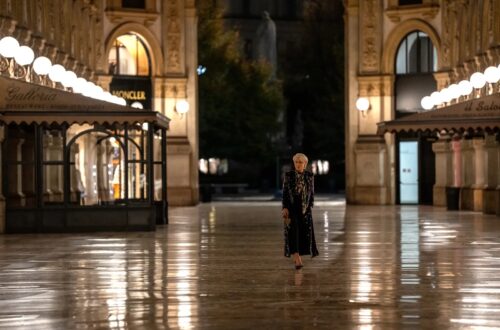
Armani’s exhibition at the Pinacoteca di Brera is one of the most recent examples of fashion as a form of art. Armani’s unique 1980s ensembles, installed amongst some of the most valuable works from the Middle Ages, evoke a sense of reverence in spectators: the observer is stunned by shiny garments that, whilst worn by mannequins, still seem to have a life of their own. Sparkling dresses from previous fashion weeks catch one’s eye, leading, in the end, to The Kiss by Francesco Hayez.

A beautiful, breathtaking climax. The path guides you through the whole exhibition, room by room, leaving you at a loss for words. In front of these great pieces of art and clothing, everyone would feel almost paralysed, filled with amazement and a sense of fear that even a small gaze could fall upon such beauty and take something away from it.
That is exactly it. Fashion is supposed to leave a mark on those who observe it. It must allow the viewer to steal part of it and take it with them, to be kept and preserved in one’s memory.
Another iconic example of fashion’s embrace of fine art is the collaboration between Louis Vuitton and Takashi Murakami. This partnership, initiated in 2003, did not just adorn LV’s signature monogram with playful colours and motifs; it transformed how the world perceived the brand and its potential. Murakami’s infusion of aesthetics rooted in Japanese pop culture and contemporary art brought an irreverent yet masterful dimension to the Parisian house, redefining both parties’ cultural footprints.

This is far from an isolated case. Prada’s engagement with artist-photographer Collier Schorr, Gucci’s deep dive into the archival iconography of Renaissance art under Alessandro Michele, and Dior’s parade of installations and collectible artist capsules underscore a broader trend: fashion thrives when it engages in meaningful dialogue with the art world.
The connection between art and fashion is, however, extremely ancient. Fashion is a fundamental element in works of art: artists have always depicted their time’s customs and social hierarchy through clothing. However, looking ahead, we must realise that when luxury brands engage with art, the benefits extend far beyond aesthetic novelty.
This interplay fuels growth in various ways. First and foremost, fashion–art collaborations help brands stay in the cultural conversation. In a world where consumers are bombarded with visual stimuli, collaborations with respected artists provide signals of authenticity and cultural legitimacy. Brands are not simply selling products; they are taking part in a broader cultural dialogue. Art adds layers of storytelling. A limited-edition bag adorned with an artist’s motifs is not just a product; it is a narrative artefact. It carries stories of inspiration, process, and meaning that consumers can connect with on an emotional level. This emotional connection builds brand affinity and loyalty.
The fashion–art connection is not merely patronage. It is not only a matter of image and reputation; it is a strategy. Brands can increase revenues, broaden their customer base, and expand their cultural reach. It allows brands to move on from the perception of a static heritage to a new, dynamic, integrated dimension. Most of all, this route is able to attract young consumers to a world that is still struggling to meet the expectations of new generations.
Art is not only within fashion; it can also come before fashion, as a source of inspiration. The Lobster Dress by Schiaparelli is one of the most historically relevant pieces from this point of view. Schiaparelli was deeply embedded in avant-garde circles in Paris. Unlike many designers who merely borrowed aesthetic motifs, she collaborated directly with artists. She saw fashion not just as clothing, but as a conceptual playground. The Lobster Dress emerged from this environment.

Dalí had previously used lobsters in his surrealist works, often associating them with erotic symbolism and Freudian undertones. The placement of the lobster on the lower torso subtly introduced themes of sexuality and irony into high society fashion, something daring for the time.
Nearly 90 years later, the Lobster Dress remains extremely significant: it represents a turning point, as one of the first examples of intellectually ambitious fashion. For the first time, haute couture embraced irony. The Lobster Dress is one of the first instances of artistic collaboration as a growth strategy. It showed that luxury does not have to rely merely on tradition and craftsmanship; it can also rely on imagination and cultural disruption.
From this point of view, some could say that fashion, whilst preserving its fundamental heritage, is still extremely open to the future: it is, in fact, a field that offers great space for manoeuvres aimed at pursuing innovation and introducing new elements. As mentioned before, contamination is not extraneous to the fashion world and is indeed one of the most effective growth strategies.
Looking ahead, the intersection of fashion and art is poised to expand in exciting directions. Digital art, for example, offers new avenues for storytelling and ownership, allowing brands to create digital wearables and art pieces that coexist with physical fashion. The metaverse and virtual fashion shows are inviting collaborations that reimagine space, identity, and experience.
Moreover, sustainability and social consciousness are increasingly central to both art and fashion. Collaborations that address ecological themes or social justice issues can amplify a brand’s values and reinforce meaningful engagement with conscientious consumers.
In a global marketplace craving connection, story, and meaning, fashion’s dialogue with art offers something rare: a bridge between commerce and culture, craft and concept, heritage and future. For luxury brands, embracing this interplay is not just creative; it is transformative.
By Beatrice Longo