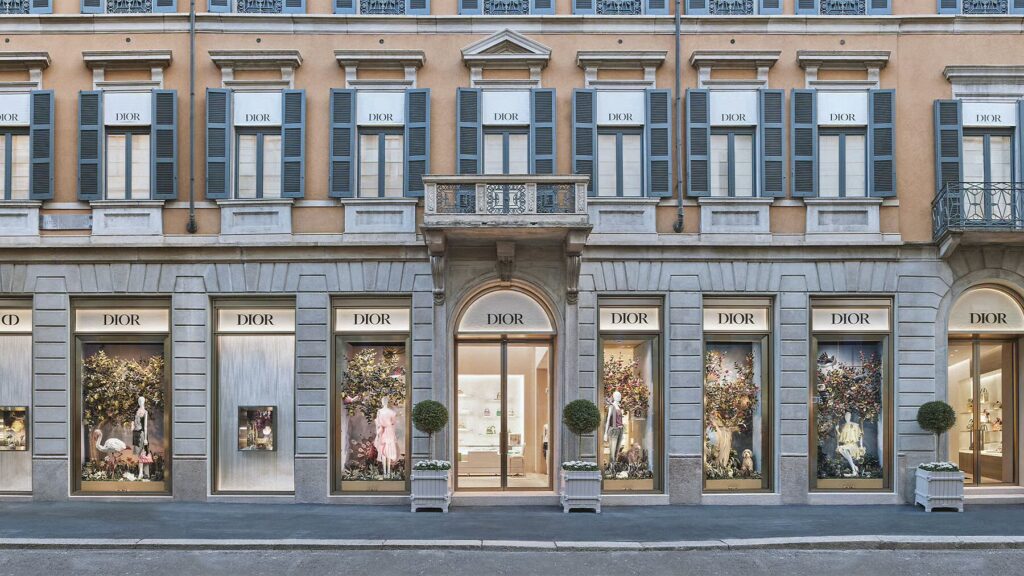
Fashion is no longer just being worn, it has to be lived. You can sleep in Armani, dine at Gucci, or drink coffee surrounded by Prada’s sage green. But, it doesn’t just end here. What began as the occasional branded café or hotel collaboration, over time has developed into something way more ambitious and meaningful for the fashion industry. Luxury houses are building environments in which their identities are inhabited rather than simply purchased.
The experience no longer begins and ends with the product. Increasingly, what surrounds the attire matters just as much as the attire itself. Louis Vuitton chairman and CEO Pietro Beccari has described the future of retail as “retailtainment”: a mix of products, brands, experiences and culture.
In that sense, the luxury store has moved very far from simply being a place where clothes are sold. The space itself has become part of the product, and increasingly, part of the experience being sold.
Every Detail Matters
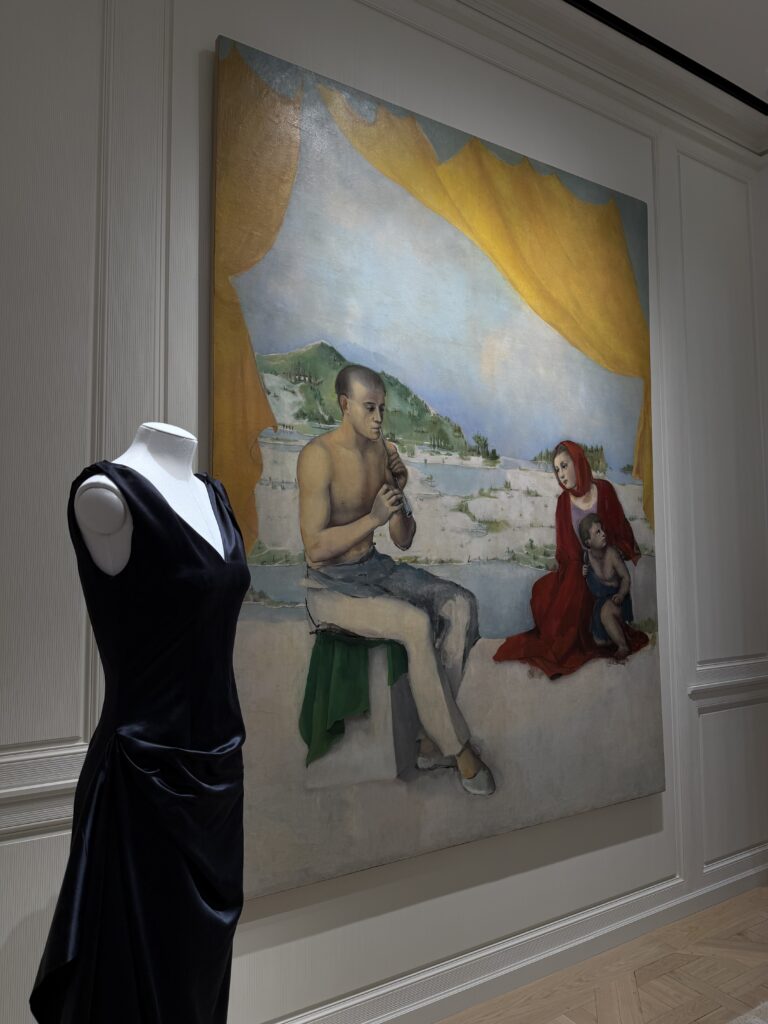
Attention is paid to every detail, from the chair you sit on while trying on a pair of shoes to the glass of champagne or coffee offered while you wait, the artwork positioned beside a clothing rack, and the flowers arranged on the table. Everything matters, the scent in the room, the music playing, the lighting. Special attention is on the language, gestures and pace of the service. None of these elements is accidental. Together, they create an atmosphere that allows the customer to recognise a brand without necessarily seeing its logo.
This is partly why the relationship between fashion, art, design and hospitality feels so natural. Fashion houses have always built strong visual identities that extend beyond clothing. A brand can become recognisable through a silhouette or a colour, but also through an interior, a particular material, or a scent. The strongest houses create a visual and sensory language coherent enough that the customer begins to recognise not only what the brand looks like, but what its world is supposed to feel like.
Why Hospitality Pays
There is a commercial logic behind this shift as well. Vogue Business has pointed to the strength of luxury hospitality at a moment when the personal luxury goods market has been comparatively sluggish. Luxury hospitality sales grew by around 5% in the period it examined. At the same time, the wider luxury fashion sector has been facing weaker demand and growing pressure to convince consumers that increasingly expensive products still offer something desirable and distinctive.
Hospitality offers fashion houses another route to that desirability. It gives clients a reason to remain with the brand for longer, creates additional points of entry into its universe and, perhaps most importantly, builds an emotional relationship that does not depend exclusively on persuading someone to purchase another handbag.
It is within this broader transformation of luxury that the new House of Dior in Milan becomes particularly interesting.
From Boutique to House
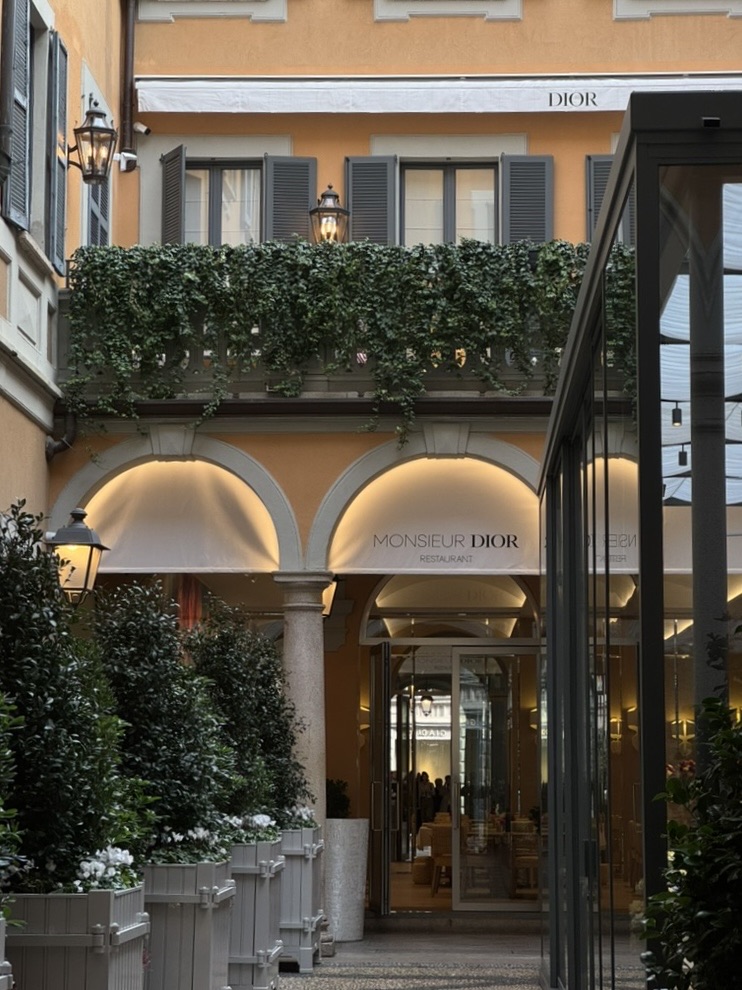
In Milan, this kind of experience comes very naturally. The idea begins even before entering, and everything beautiful just keeps on unfolding. Inside the House, that feeling only grows. Designed by Peter Marino and spread across three floors, once a boutique in Via Monte Napoleone 12, now a whole house of rooms, hidden gardens and terraces, home to artworks, objects and details that not everyone will recognise. Fashion sits naturally beside art, jewellery, perfume and design. You keep moving through it and discovering something new. Private salon behind one door, an artwork in another room, a quiet garden, and then, for the first time in Italy, a Dior restaurant
It is a place filled with objects, artworks and small details that may pass unnoticed at first, but reveal themselves the longer you stay, especially if you know how to look for them. The more you go, the more you discover. And the more time you spend inside, the more you begin to see.
You are not immediately being shown a product on a shelf. You are being introduced to a world.
A Garden in the Middle of Milan
As the staff says, there is something about this Dior sense of peace and the silence of the House’s inner gardens that makes the Milan location feel even more special and more Milanese. You are not only sipping Italian coffee inside a Parisian house in the middle of Milan; you are living an experience that you didn’t know can be possible in such a location.
The gardens themselves are not there simply because they are beautiful. Nature was deeply connected to Christian Dior’s imagination, beginning with the garden of his childhood home in Granville and continuing later with La Colle Noire. Flowers and gardens repeatedly entered his work, most famously through the idea of the femme-fleur. In Milan, that history is translated into the architecture itself through courtyards, terraces and living walls designed by landscape architect Peter Wirtz.
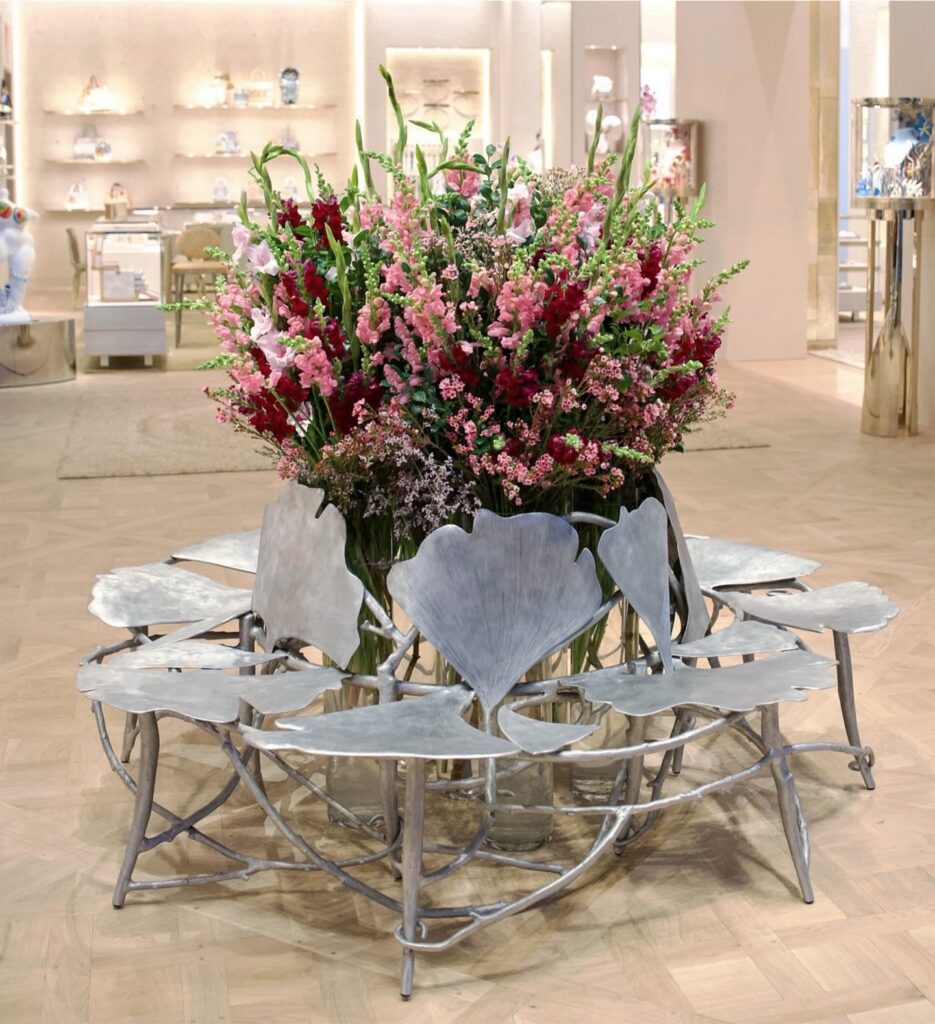
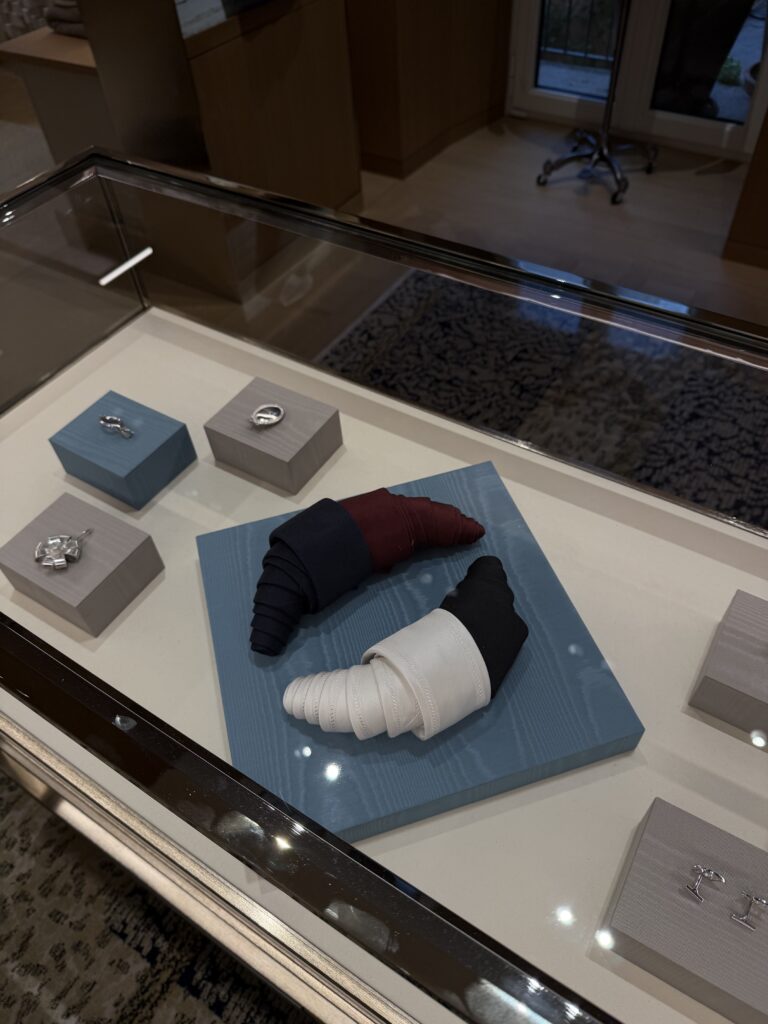
Even the furniture continues the story. Among the collectible pieces inside is Claude Lalanne’s sculptural Ginkgo Bench, its metal structure formed around the distinctive leaves of the ginkgo tree. It is one of those details that becomes particularly special once somebody tells you what you are actually looking at. That is one of the pleasures of the Milan House: almost nothing feels selected randomly.
Every detail makes sense and is deeply rooted in Dior and the Maison’s heritage.
Traces of the Maison
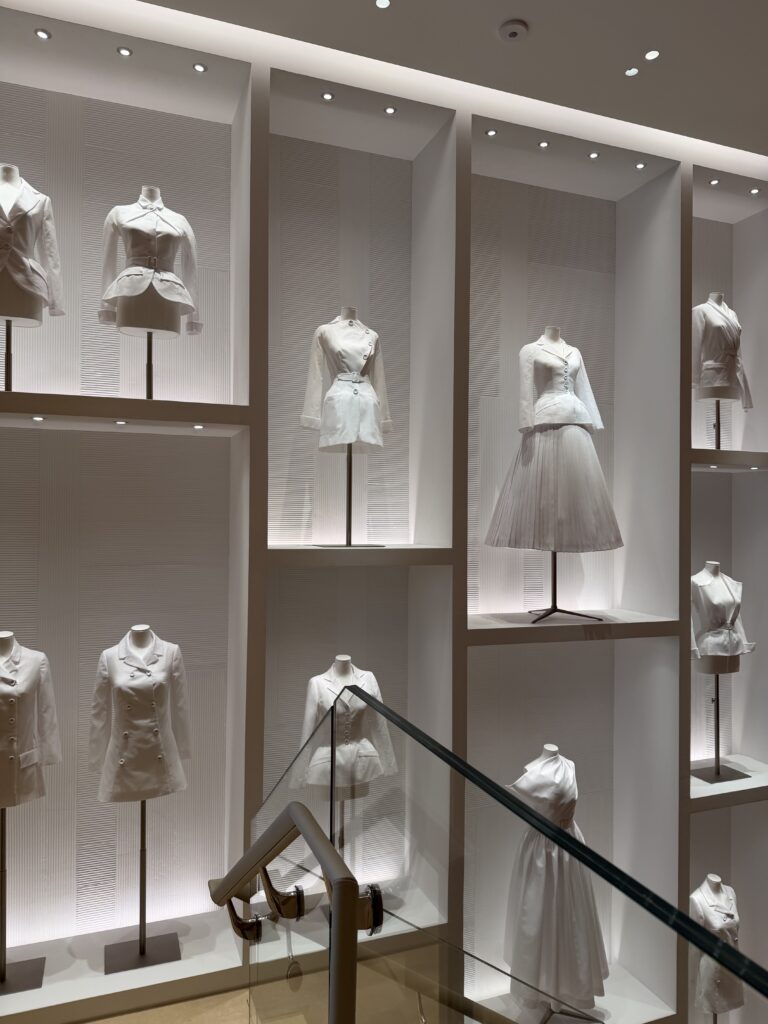
There is a wall lined with the white couture toiles, the prototypes through which the silhouettes of a collection are first constructed, alongside iconic patterns and codes that appear throughout the House, not always so obvious. You begin to understand that recognising Dior does not necessarily mean seeing the name “Dior”. It can mean recognising a silhouette, a material, a shape, a piece of furniture or a reference that has appeared somewhere else in the history of the Maison.
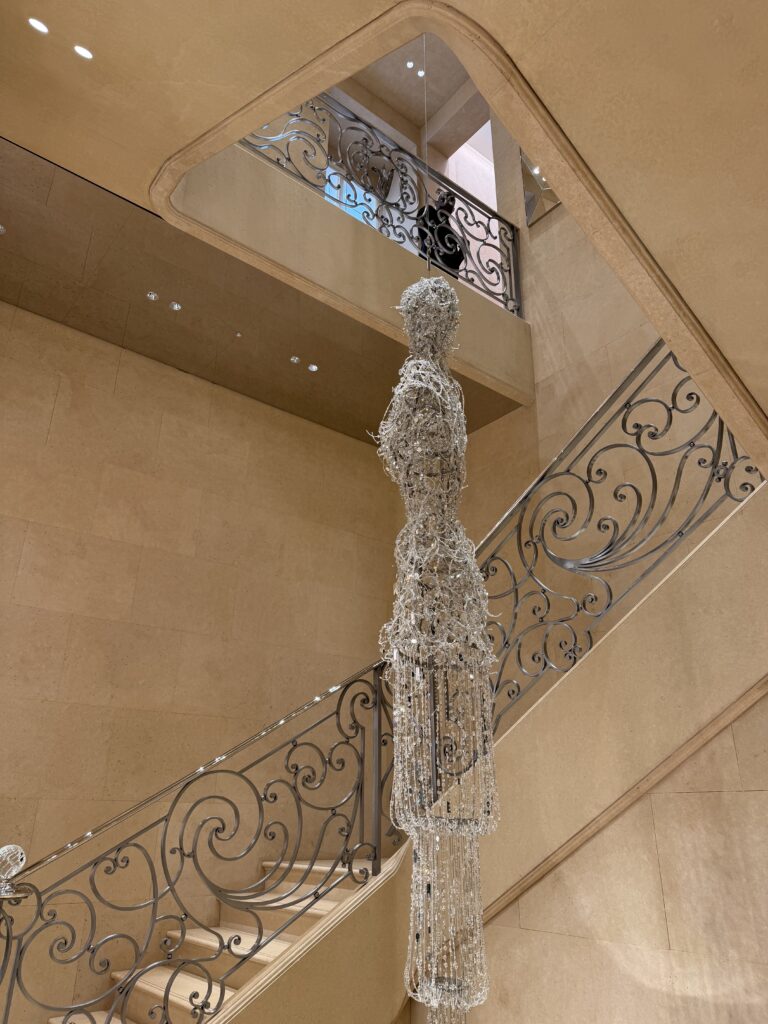
The Gallerist Before the Couturier
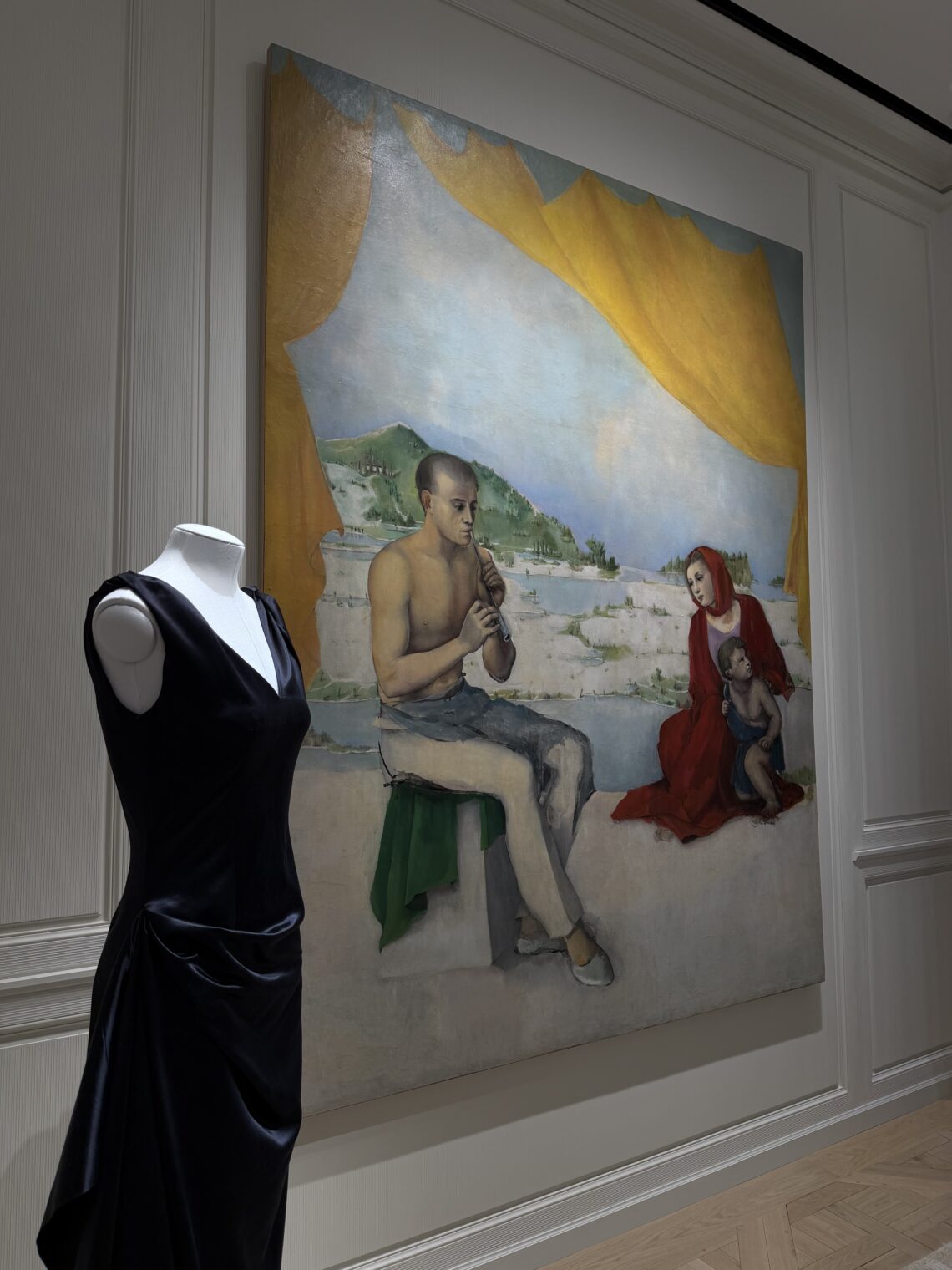
And then there is the art. The artworks inside the Milan House are not simply there because art makes an expensive store look sophisticated. Before Christian Dior became a couturier, he was a gallery owner and art dealer. That part of his life makes the presence of contemporary art here feel much more natural. Dior itself describes the works and collectible furniture throughout the building as a tribute to its founder’s beginnings as a gallerist and collector.
Fashion therefore sits beside art and collectible design throughout the House. One of the most symbolic works is a portrait of Christian Dior by Italian Arte Povera artist Michelangelo Pistoletto. It is made on Pistoletto’s characteristic mirrored surface, meaning that when you stand in front of Monsieur Dior, you appear in the work with him. Christian Dior belongs to the past, but the person looking at him enters the image in the present.
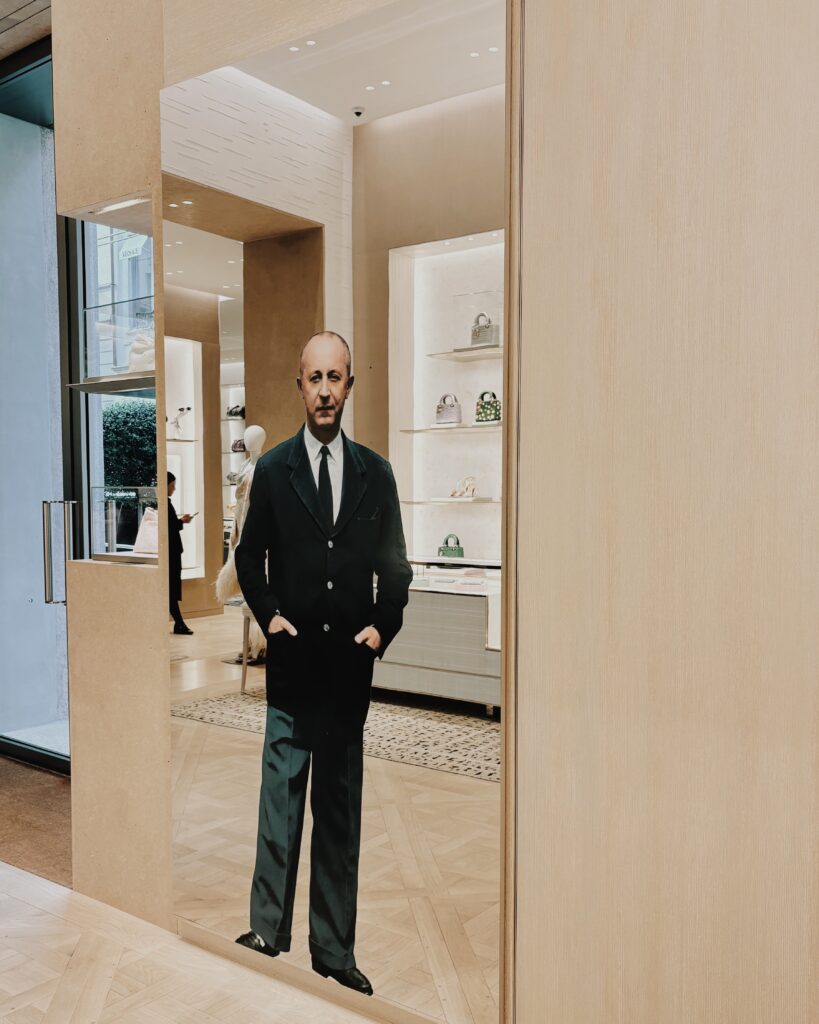
It is a simple detail, but it says something interesting about what the entire House is trying to do: heritage here is not treated as something frozen behind glass. You are constantly being invited into it.
The Fashion House as an Actual House
Peter Marino has worked with Dior for years, including on the transformation of the historic 30 Avenue Montaigne in Paris, but his Milan interiors do not simply recreate Paris. Milan does not abandon Dior history in favour of some completely new hospitality concept. Instead, it adapts an idea already embedded in the original meaning of a Maison: the fashion house as an actual house.
Dior is no longer only showing you what to wear. It is creating a whole world around it, the one you can see, smell, taste and spend time in.
And perhaps the clearest expression of that idea is Monsieur Dior by Enrico Bartolini, Dior’s first restaurant in Italy. The restaurant is part of the narrative of the building and can be reached both through the House and through its own entrance. Its chef makes the collaboration particularly significant. Enrico Bartolini, whose Mudec restaurant in Milan holds three Michelin stars, approached Dior almost as a designer would approach an archive. The menu is built around the idea of layering, translating a concept fundamental to fashion into flavours and textures on a plate.
Staying a Little Longer
Restaurants are particularly valuable to luxury brands because food changes the relationship between the customer and the House. Someone might enter a boutique for fifteen minutes. Lunch can keep them inside the brand’s environment for two hours.
More importantly, hospitality changes the emotional register of the encounter.
This becomes especially clear when looking at the different kinds of clients moving through the House. At one end are Dior’s highest-spending clients, for whom the experience can become extremely private and personalised. They can arrange an appointment with their personal sales assistant in the private salons upstairs, away from the main retail floors, while complementary beauty experiences such as treatments or make-up appointments can become part of the relationship with the House.
At the other end are more aspirational visitors, who may not always have several thousand euros to spend on a bag or a couture piece but can still enter the atmosphere of the brand through a coffee, breakfast or lunch.
These are obviously very different customers, but hospitality gives Dior a way to make both of them spend more time within its world. One client receives greater intimacy, privacy and personal attention; another gains a point of access to a world that might otherwise feel distant. In different ways, both leave happier than when they entered.
Feeling at Home
For decades, luxury brands became global by reproducing recognisable boutiques across cities. The challenge now is almost the reverse: how can a global Maison create a physical space worth visiting when almost every product inside it can already be viewed on a screen?
The answer is emotion.
The feeling you get when you walk in and someone already knows your name. The familiarity of seeing the same staff, sitting in the same corner, being offered a coffee, feeling welcomed, remembered and appreciated. These spaces are becoming a kind of safe place for the customer, somewhere they return to not only because they want to buy something, but because they simply feel good there.
Maybe they do not buy much every time. Maybe sometimes they do not buy anything at all. But every visit adds something to the relationship. A conversation, a gesture, a familiar face, a moment of attention. Little by little, the brand becomes associated with a feeling. And that feeling is what makes people come back.
by Mia Jovanovic.