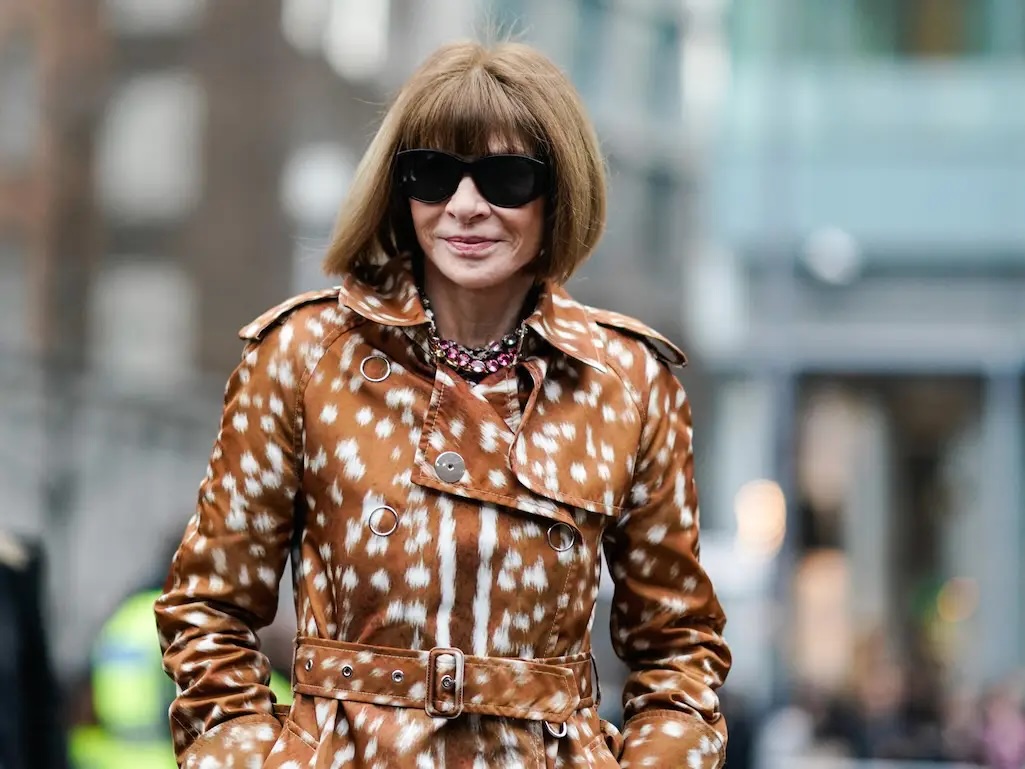
On June 26, 2025, the fashion world witnessed the end of an era. Anna Wintour, the iconic editor whose sunglasses became as synonymous with Vogue as its masthead, officially stepped down as Editor-in-Chief of U.S. Vogue. She did so after an unprecedented 37-year reign. Following her announcement, headlines screamed retirement. Yet, this is not quite a farewell. Wintour remains Global Editorial Director of Vogue and Global Chief Content Officer of Condé Nast—two roles that ensure she still holds the brand’s highest reins. Her decision is less about leaving, more about repositioning. It is a strategic move that signals Vogue’s global rebranding. Since 1988, Wintour has not simply run Vogue—she defined…
-
-
Cannes 2025: New Red Carpet Dress Code Sparks Controversy
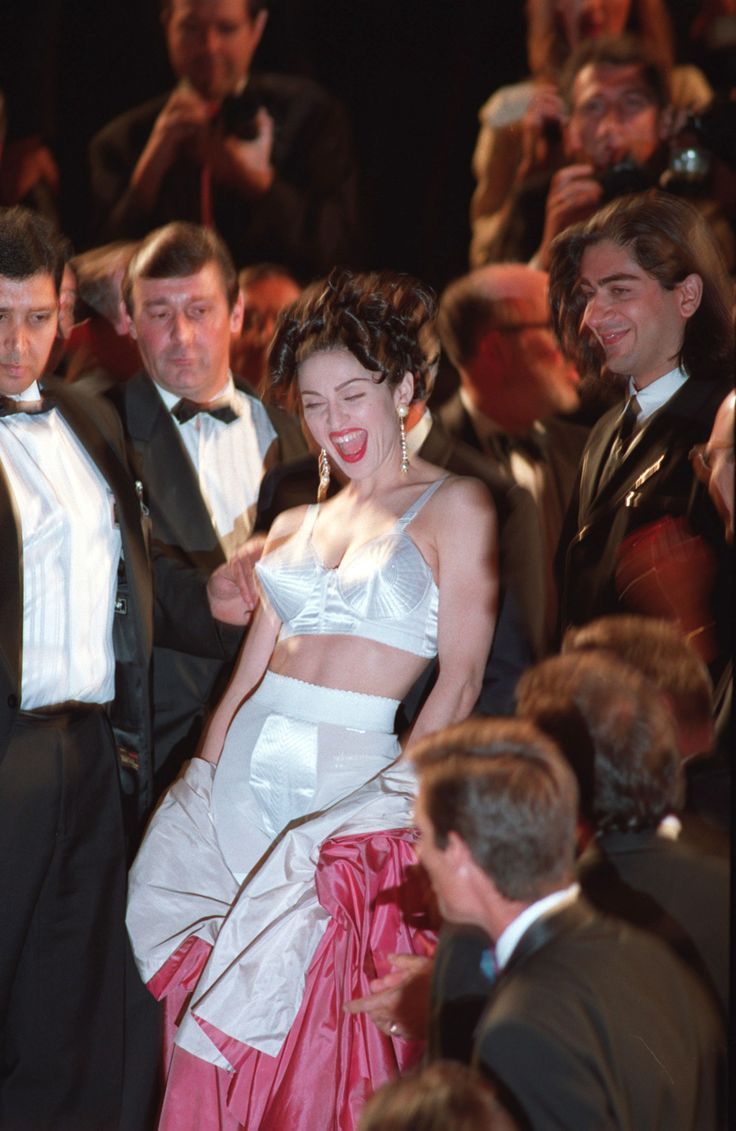
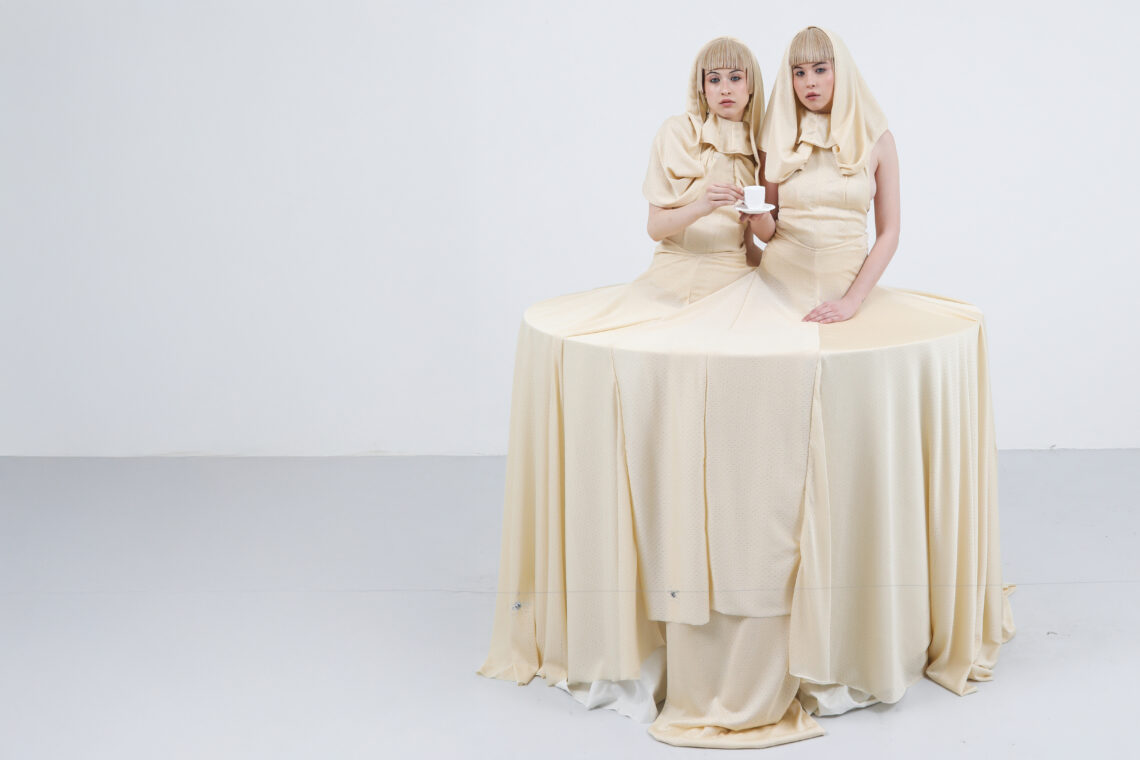
For its 78th edition, the famous Cannes Film Festival took place on the French Riviera from the 13th of May to the 24th of May. In addition to its memorable screenings, the many red carpets were expected to set the stage for iconic fashion moments. However, an unexpected dress code was put forth the night before the event’s start, creating a new barrier to artistic freedom. This announcement ignited both applause and outrage, altering the galas, which are as integral to Cannes as the films themselves. Published on the festival’s website, it appeared, “For decency reasons, nudity is prohibited on the red carpet,” with a ban on “voluminous outfits, in…
-
The Louis Vuitton Trunk & The Evolution of Personal Luxury
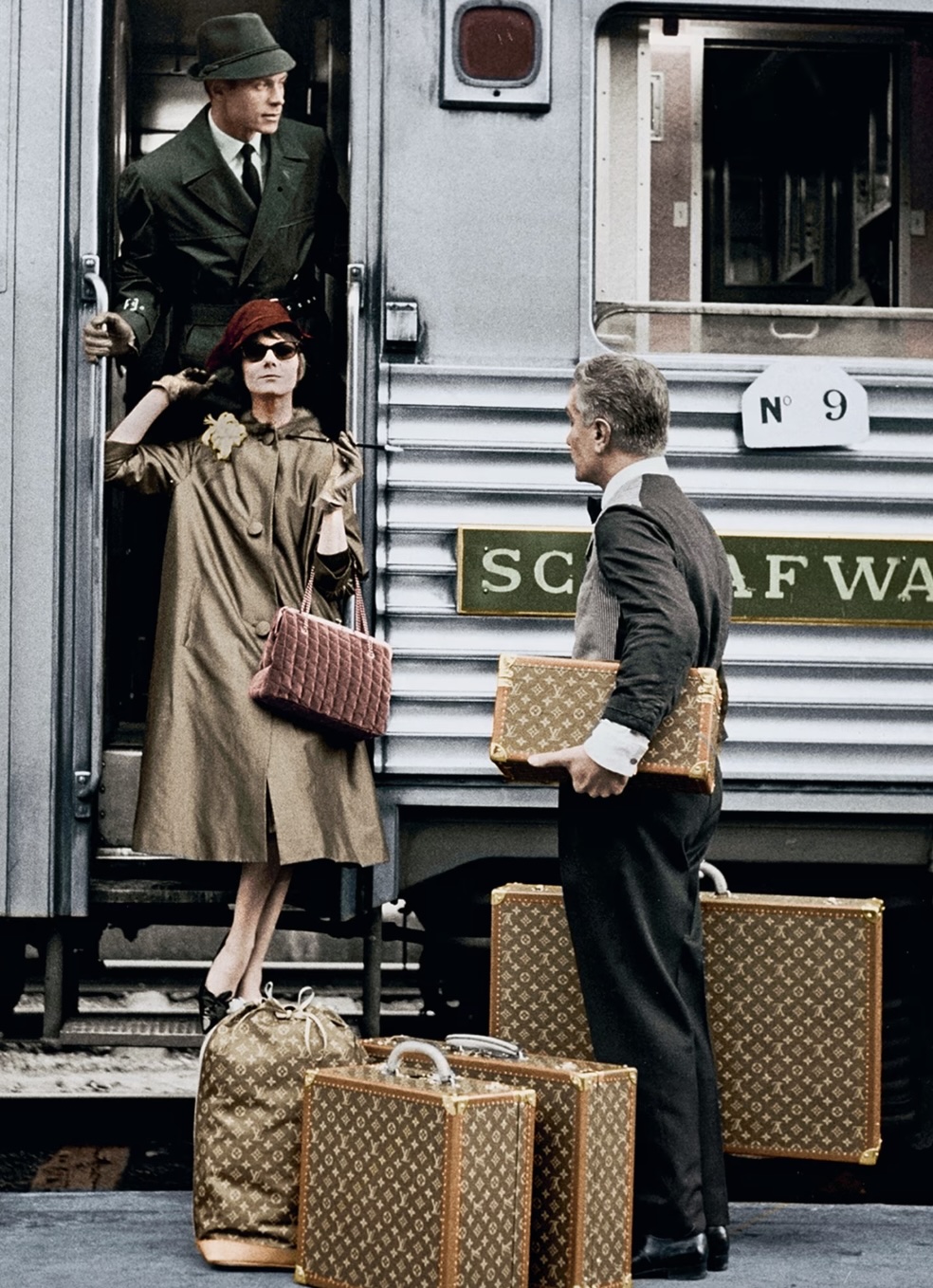
What we choose to carry says more about us than what we wear. Our luggage is a reflection of who we are, or who we want to be when we arrive. The Louis Vuitton trunk was once a symbol of this philosophy: built to serve a life in motion, not just a life on display. Each compartment, each drawer, every detail was tailored to its owner’s life. It was slow fashion in the truest sense: deliberate, lived-in, and lasting. Today, the world of luxury looks different. But the desire that trunk represented – a desire for meaningful, personal luxury – has never really disappeared. It has simply evolved. Before Louis…
-
Fashion’s Inclusivity: Real Progress or a Well Styled Illusion?
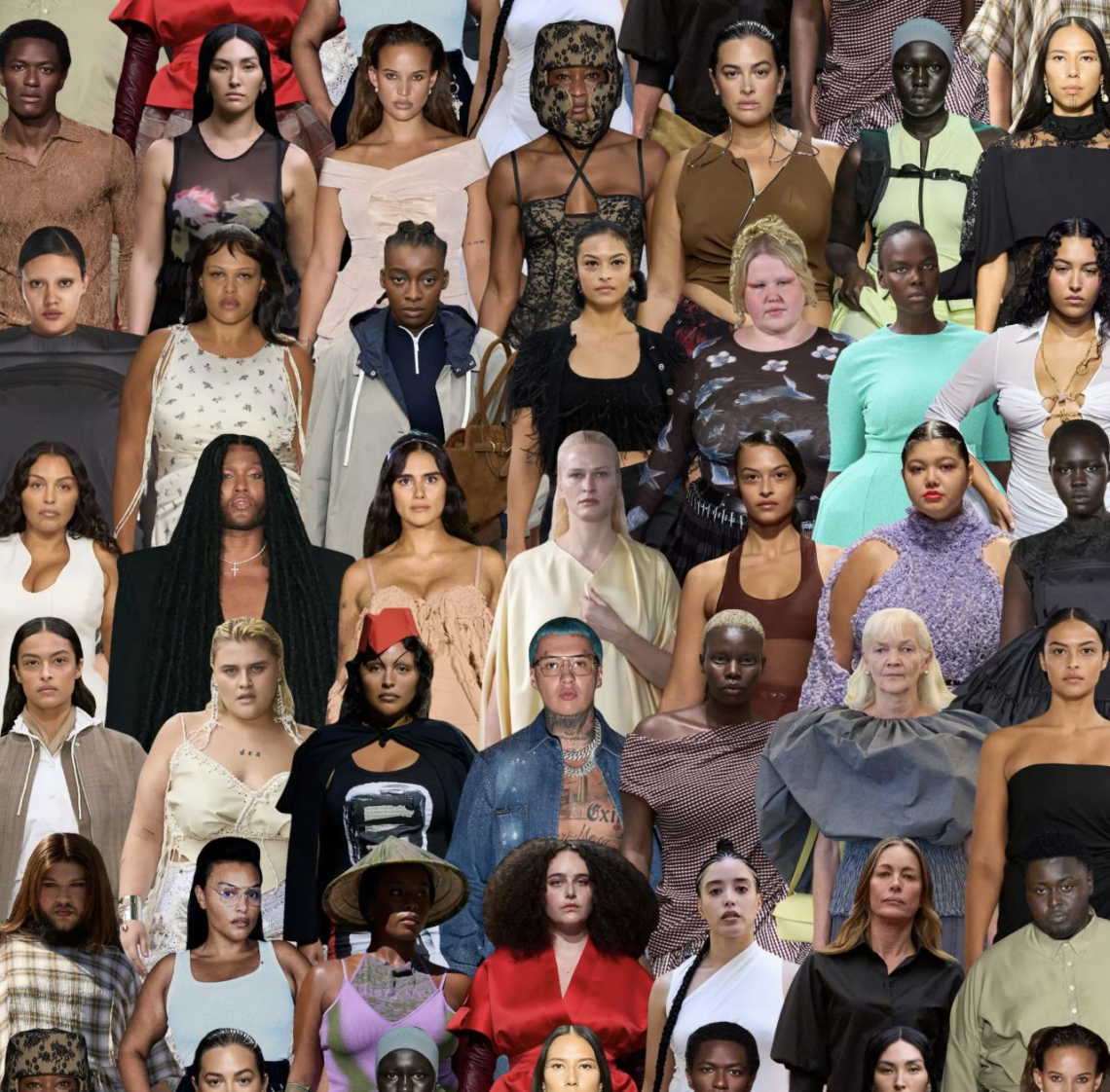
Fashion has always claimed to be about creativity, freedom, and self-expression. But for a long time, those ideals were only available to a very specific group of people; mainly thin, white, able-bodied individuals who fit into narrow, traditional standards of beauty. Recently, though, the industry has been making a lot of noise about becoming more inclusive. We’ve seen more diverse models on runways, more representation in ad campaigns, and more designers talking about body positivity, racial diversity, and even gender fluidity. And while that seems like progress on the surface, I can’t help but question how deep it actually goes. Is this a genuine shift toward meaningful change, or is…
-
Luxury is Changing. So Must Strategies
Key insights to reestablish solid and forward-looking luxury brands Introduction Several components of the luxury industry are changing, opening a new road that executives must identify and undertake to stay competitive. In 2024, the sector’s expansion has interrupted for the first time in five years (excluding 2020). Various macroeconomic events, from the crisis in China to Trump’s tariffs, led to a negative shock in demand. Meanwhile, customers’ changing interests and engagement with products are adding complexity to the industry. However, as highlighted by McKinsey, luxury woes are partially self-inflicted and are closely related to the strategic approach adopted during the growth period. The brands’ overexposure damaged the intrinsic exclusivity of…
-
From Yves Saint Laurent to Saint Laurent
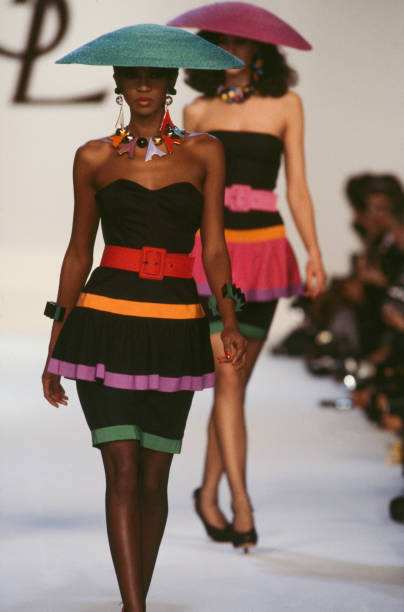
In 2012, the world witnessed Hedi Slimane’s daring entrance into Yves Saint Laurent as he dropped the “Yves”, rebranding it as simply “Saint Laurent”. The new creative director didn’t only change the name, he completely redefined the energy of the brand, making this moment the most significant turning point in its history. Slimane’s fearless entrance perfectly matched his rebellious designs and the rockstar energy brought to the runways. Since it was a drastic change from Yves Saint Laurent’s original vision, the shift was subject of lots of debates. In an industry that requires constant innovation, could Saint Laurent adapt without compromising its entire identity? Is this considered a visionary shift…
-
BS4F Behind-the-scenes: Backstage at BERGIE
This past Milan Fall/Winter Fashion Week, Bocconi Students for Fashion and Luxury were cordially invited to attend upcoming designer Giorgia Andreazza’s presentation for her brand BERGIE by GIORGIANDREAZZA. Around 15 of us participated in setting up the stage, dressing the models, and assisting in the rehearsal process. The result was a fascinating look behind-the-scenes for one of Italy’s most exciting new luxury brands. Unfamiliar with BERGIE? BERGIE was born in the midst of Andreazza graduating from an honors degree in fashion at NABA in 2018. Andreazza started her eponymous label to stay richly connected to her heritage and culture whilst crafting futuristic clothing, pushing the limits of sustainable fashion. Hailing…
-
The Prada Woman VS The Miu Miu Girl: Two Sides of the Same Coin
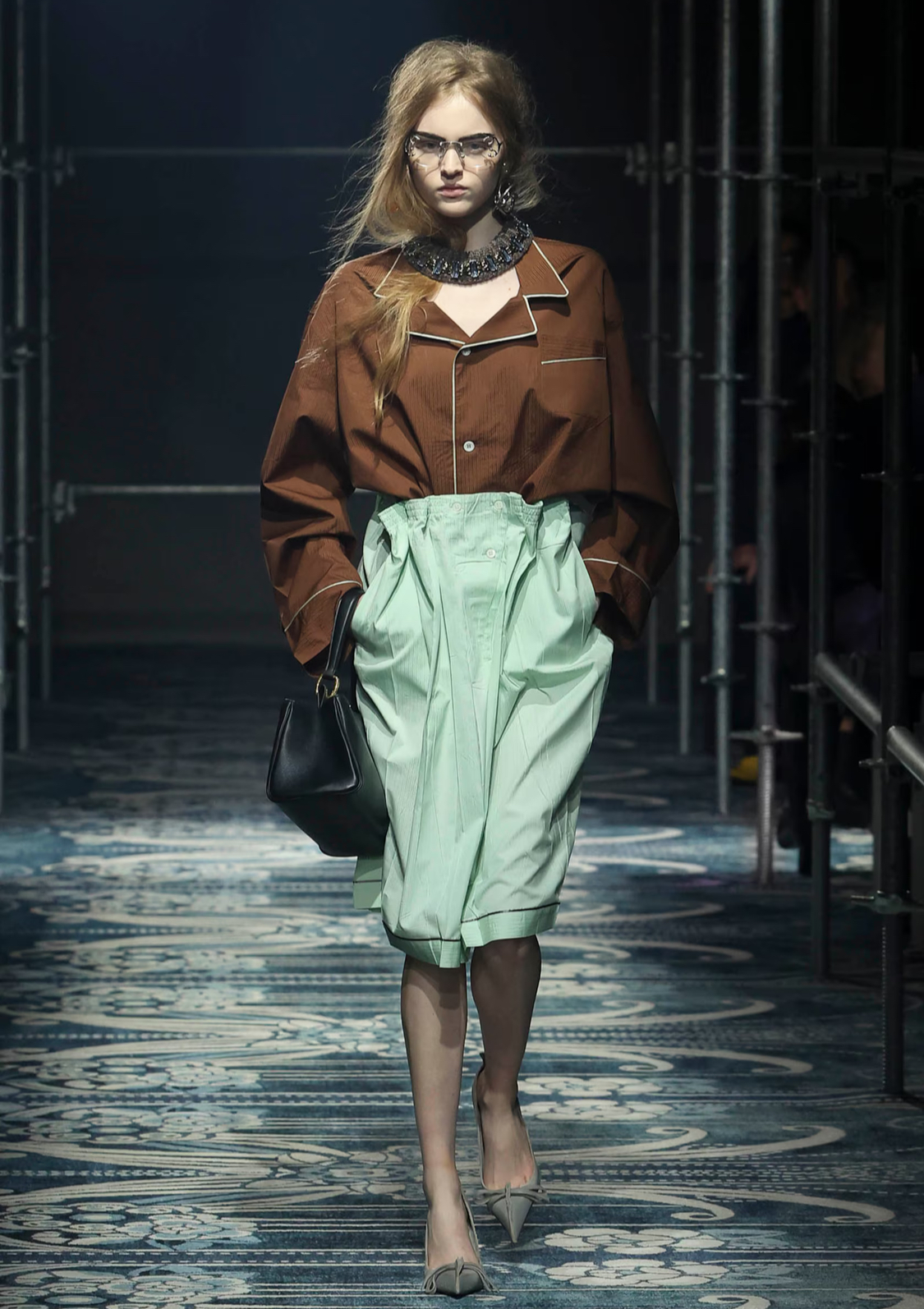
Miuccia Prada is a master of contradictions. Over the past few decades, she has built an empire on subverting fashion’s expectations, effortlessly balancing elegance with irony, intellect with irreverence. But perhaps her greatest trick lies in the way she navigates two seemingly opposing identities: the Prada Woman and the Miu Miu Girl. Both exist under her creative vision and yet, they inhabit entirely different worlds. One is poised and sophisticated; the other is playful and at times, deliberately messy. So, what truly sets them apart? Is it just branding, or is there a deeper ideological divide between Prada and Miu Miu? The Prada Woman is an enigma. Her style is…
-
Tariffs, Turmoil, and the Tipping Point: Why Trump’s ‘Liberation Day’ Could Break the Fashion Industry
The luxury and fashion industries have long danced on a tightrope stretched across borders, powered by globalization, cross-cultural consumption, and intricate supply chains. But that balance has shattered. President Trump’s so-called ‘Liberation Day’ tariffs — an escalation in economic protectionism — have jolted the fashion world into a new, uncertain era. At the center of the storm is a 104% tariff spike on Chinese imports, reciprocal measures from the EU and China, and widespread confusion. While this administration postures around negotiation, no nation has yet bartered its way to zero. For now, fashion — already bruised from recent economic slowdowns — is forced to brace for impact. Let’s be clear:…
-
The Demna Journey
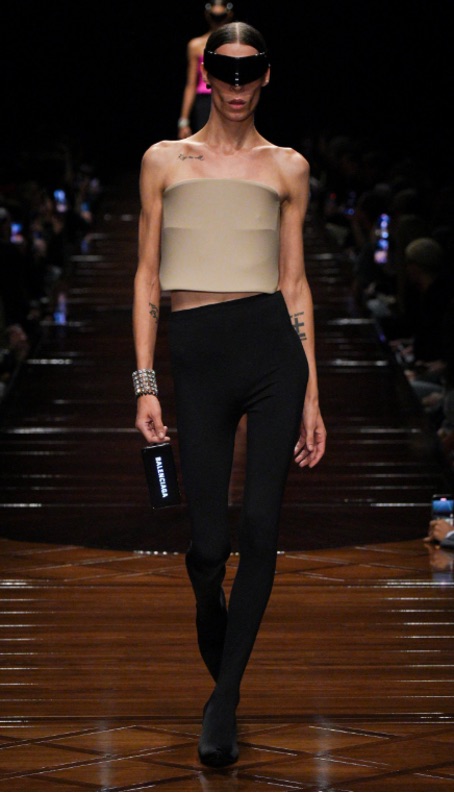
Demna Gvasalia or his “pen name” known simply as Demna is one of the most polarizing yet visionary designers in modern fashion. From the war-torn streets of Georgia to the high-gloss fashion runways of Paris, his path is as unconventional as the clothes he creates. With his recent appointment as Gucci’s new creative director, the industry is abuzz: is Demna the shake-up Gucci needs? Born in Sokhumi, Georgia in 1981, Demna’s early life was marked by instability due to the Abkhaz–Georgian conflict, which forced his family to migrate to various European countries before eventually settling in Düsseldorf, Germany. His academic path initially pointed toward economics, but it was the world…